Skimming & Scanning

Learn the difference between skimming and scanning for IELTS reading. Understand when to use each technique and how to find answers faster in the test.

  • المسار: آيلتس
  • القسم: القراءة
  • المستوى: B1
  • وقت القراءة: 1 دقيقة
  • آخر تحديث: 20 أغسطس 2026
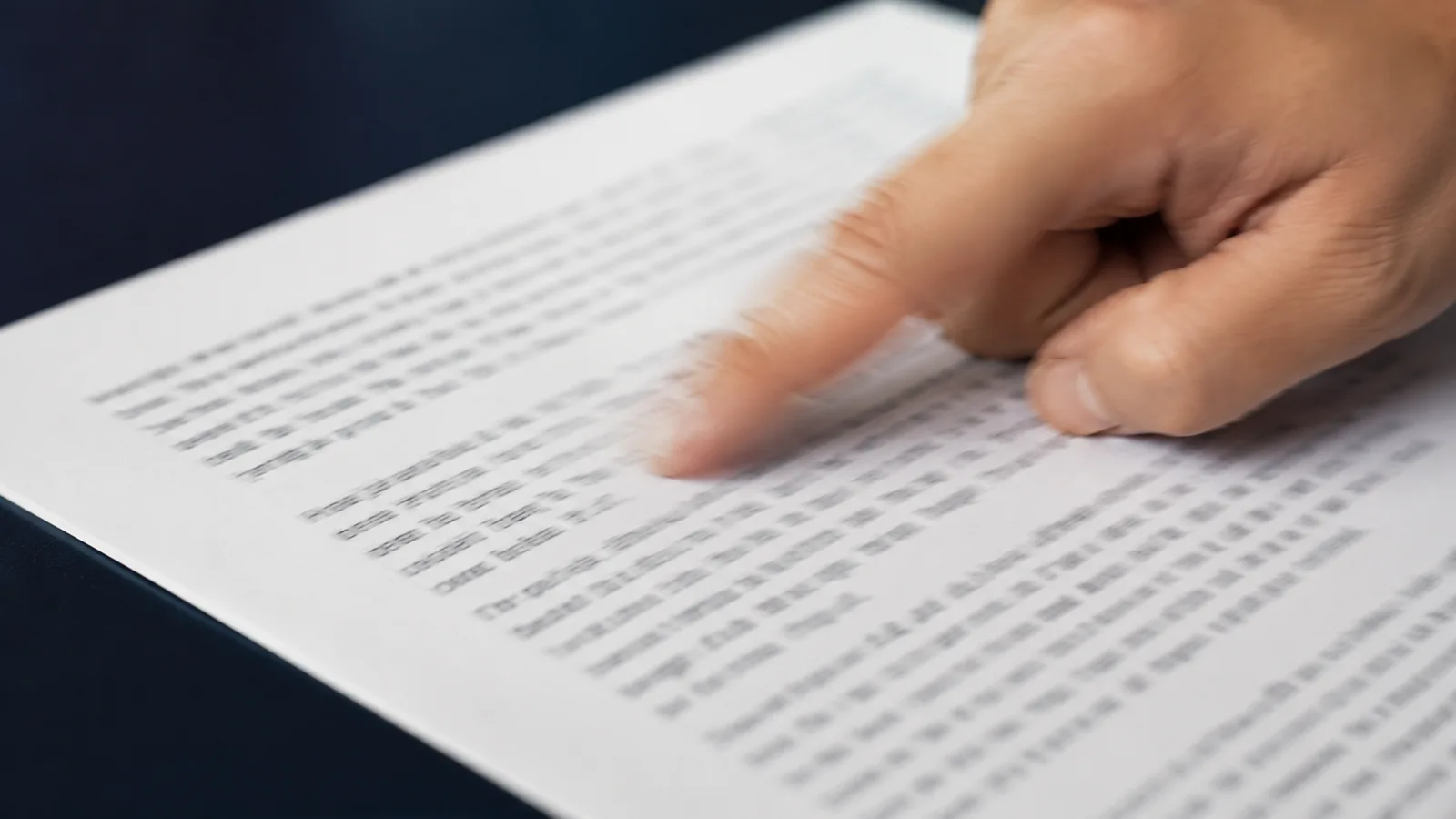
يد تتحرك بسرعة على صفحة للتدرب على القراءة السريعة والبحث عن المعلومات

في قسم القراءة لديك 60 دقيقة لثلاثة نصوص و40 سؤالًا، لذا إدارة الوقت ضرورية. استخدم القراءة السريعة (skimming) لفهم الفكرة العامة للنص، و القراءة الباحثة (scanning) للعثور على معلومة محددة مثل اسم أو رقم أو تاريخ دون قراءة كل كلمة.

الأسئلة الشائعة

What is the difference between skimming and scanning?
Skimming means reading quickly to get the overall idea without reading every word — you might read only the first sentence of each paragraph. Scanning means searching quickly for a specific piece of information (a name, a number, a date) by letting your eyes move fast over the text until you spot what you need. Skimming answers 'What is this about?'; scanning answers 'Where is X?'
When should I skim and when should I scan in IELTS reading?
Skim first when you encounter a new passage — you might spend a couple of minutes getting the general structure and topic before answering questions; adjust based on the time available. Then scan when a question asks you to locate specific facts, figures, or names. For questions that test the overall idea of a paragraph (matching headings), skim each paragraph individually rather than scanning.
Does skimming mean I will miss important details and get questions wrong?
No — if you skim strategically. Focus on the first sentence of each paragraph — and where time permits, the last — since topic ideas often (but not always) appear there. Also note repeated topic words, and any numbers, names, or dates (they stand out visually). When you then scan for details, you already know which paragraph to look in, which saves significant time.